Seasons on the Wall: Lessons in Planning, Training, and Executing Multi-Pitch Climbs
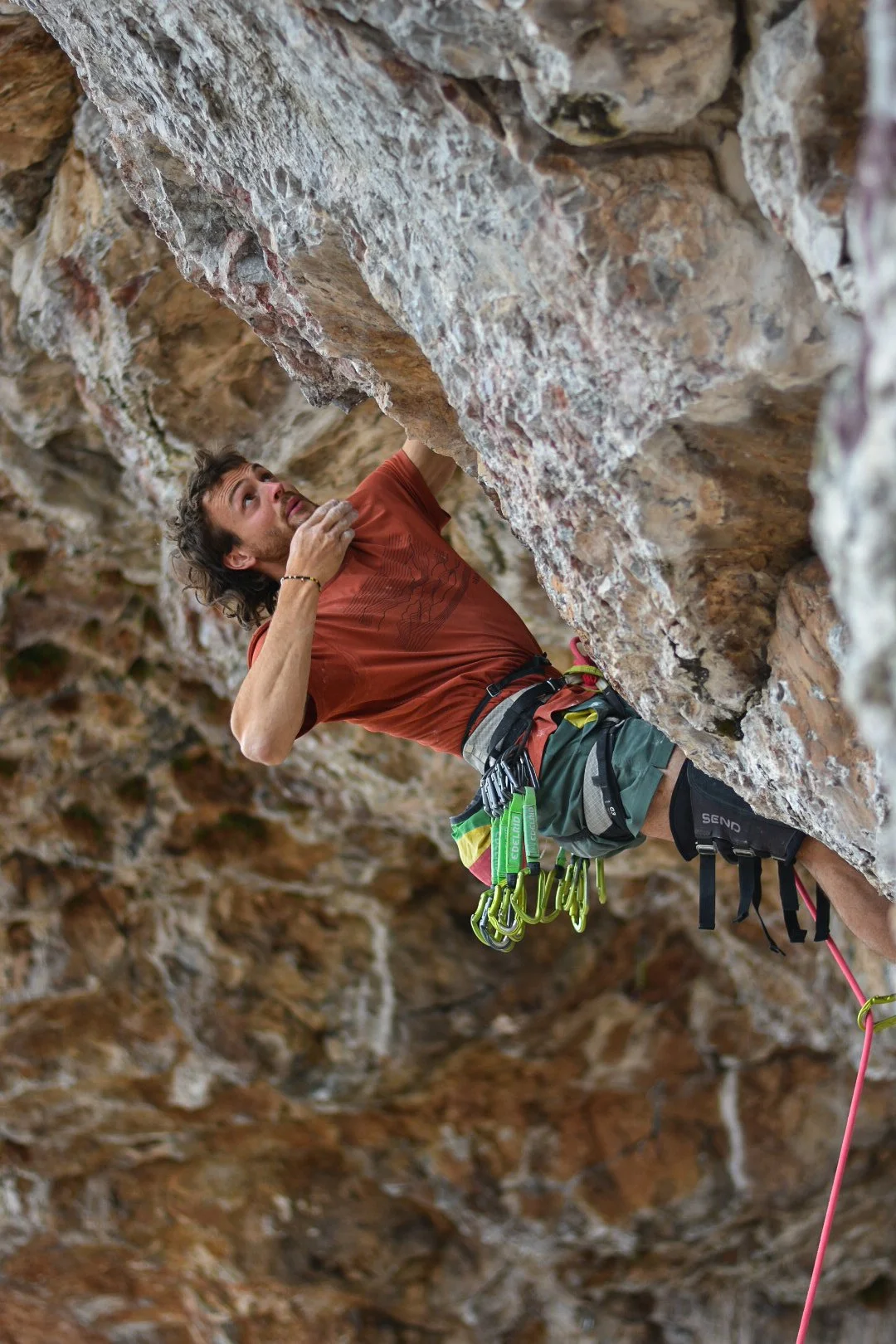
Project Direct Coach Connor Runge takes us through his process to plan, train, and send Bluebell Direct (a 600m 5.13d on Mount Index) and shows us his framework - from motivation, planning, and training to getting ready for “game day.” He discusses how to differentiate between fatigue and tiredness, and what that means for your training in similar big objectives.
At the start...
“I felt a sustained rush of fear from the novel sensations of exposure, fatigue, and discomfort.”
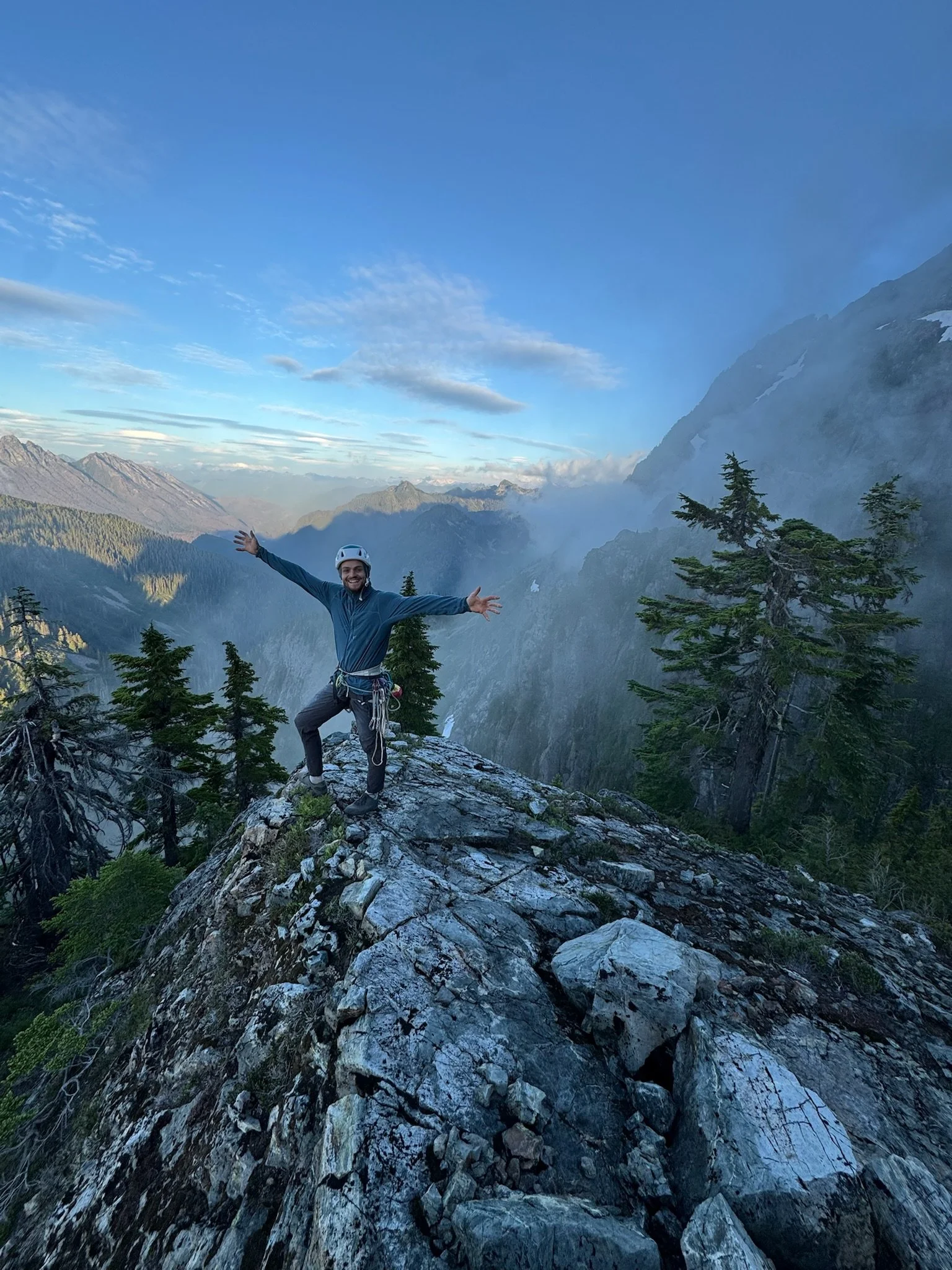
Hair Pin, a five-pitch 5.10a classic, rises steeply from a gully of the Chief. It is a clean granite hand crack that marked my first true step into multi-pitch climbing: a long, committed day where the challenge proved to be just as mental as it was physical. I felt a rush of fear from the novel sensations of exposure, fatigue, and discomfort throughout the day. That climb really christened the start of my vertical journey–a journey that has now taken me around the world in the pursuit of climbing high into the sky. My relationship with multi-pitch adventures has really ignited a spark within my own climbing, and is now one of my favorite climbing disciplines.
As a coach at Project Direct, my goal is to share the lessons I’ve learned over the years to help you accomplish your multi-pitch goals and give you some insight for what has worked for me in achieving some of my proudest ascents.
Specifically, in this blog I aim to explain the structure I’ve used for sending hard multi-pitches routes. I’ve tried to be clear and straightforward with my formula and I share things that have and haven’t worked for me in the past. I find that explaining errors in my planning and training that have led me into failure is equally important as explaining tactics that have led me to finding success on multi-pitch routes.
In this blog I will explore three separate topics: planning (the pre-work), training (the hard work), and execution (the game day). I will explain how each individual topic has directly correlated to my own successes and failures, allowing you to learn from what I’ve done. Much like climbing, there is a large spectrum of results, as each goal is different and every goal demands a different and specific approach.
What has worked or not worked for me, may or may not work for you because you are a different individual with different challenges and goals. It is the job of a coach to help you navigate your personal journey for success. I draw upon the breadth and depth of my experience as a coach and climber to work with athletes on their specific goals and challenges, and this piece gives you a glimpse into that world.
The Pre-Work (Planning)
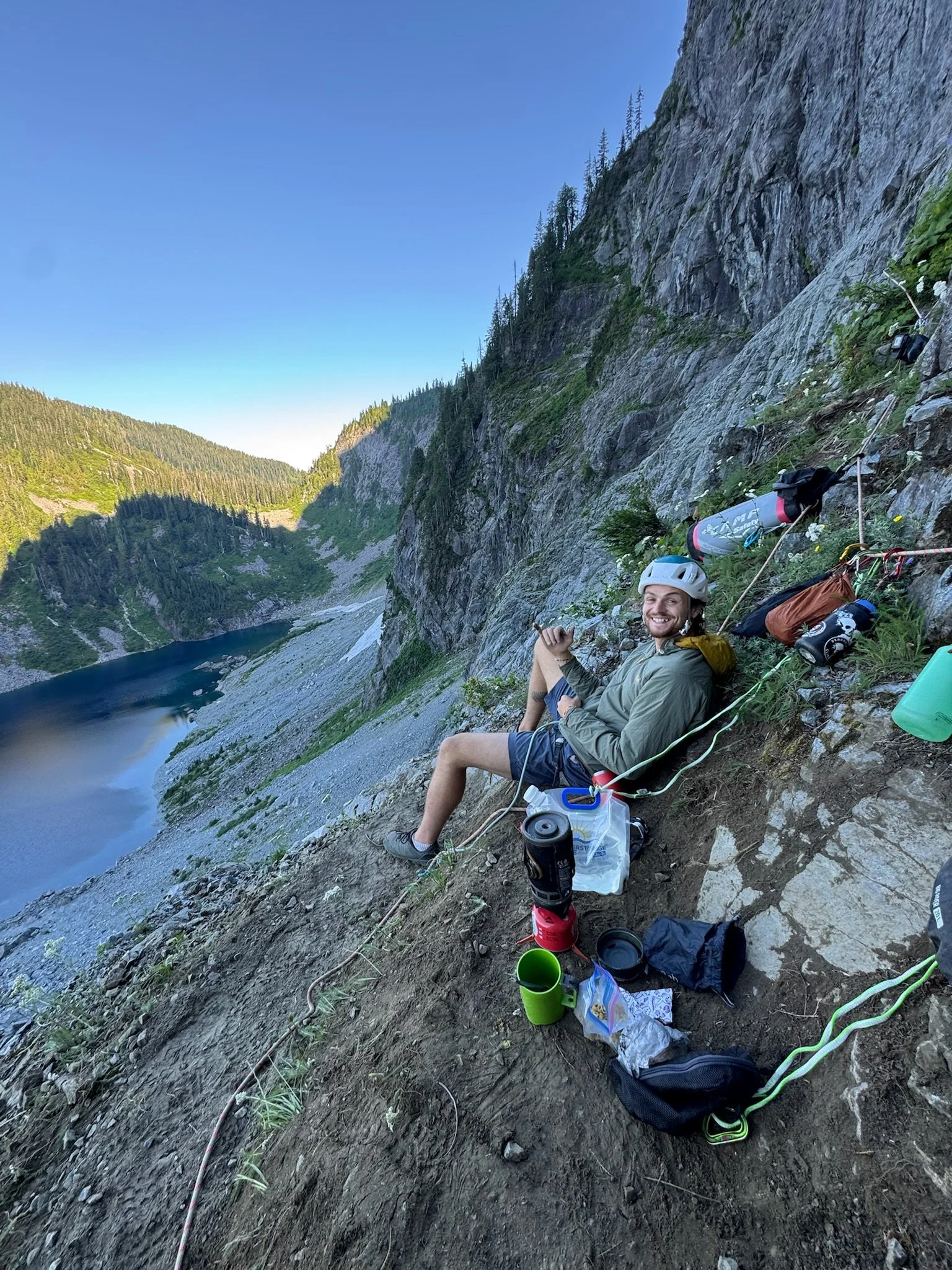
“I was planning my ascent both mentally and physically.”
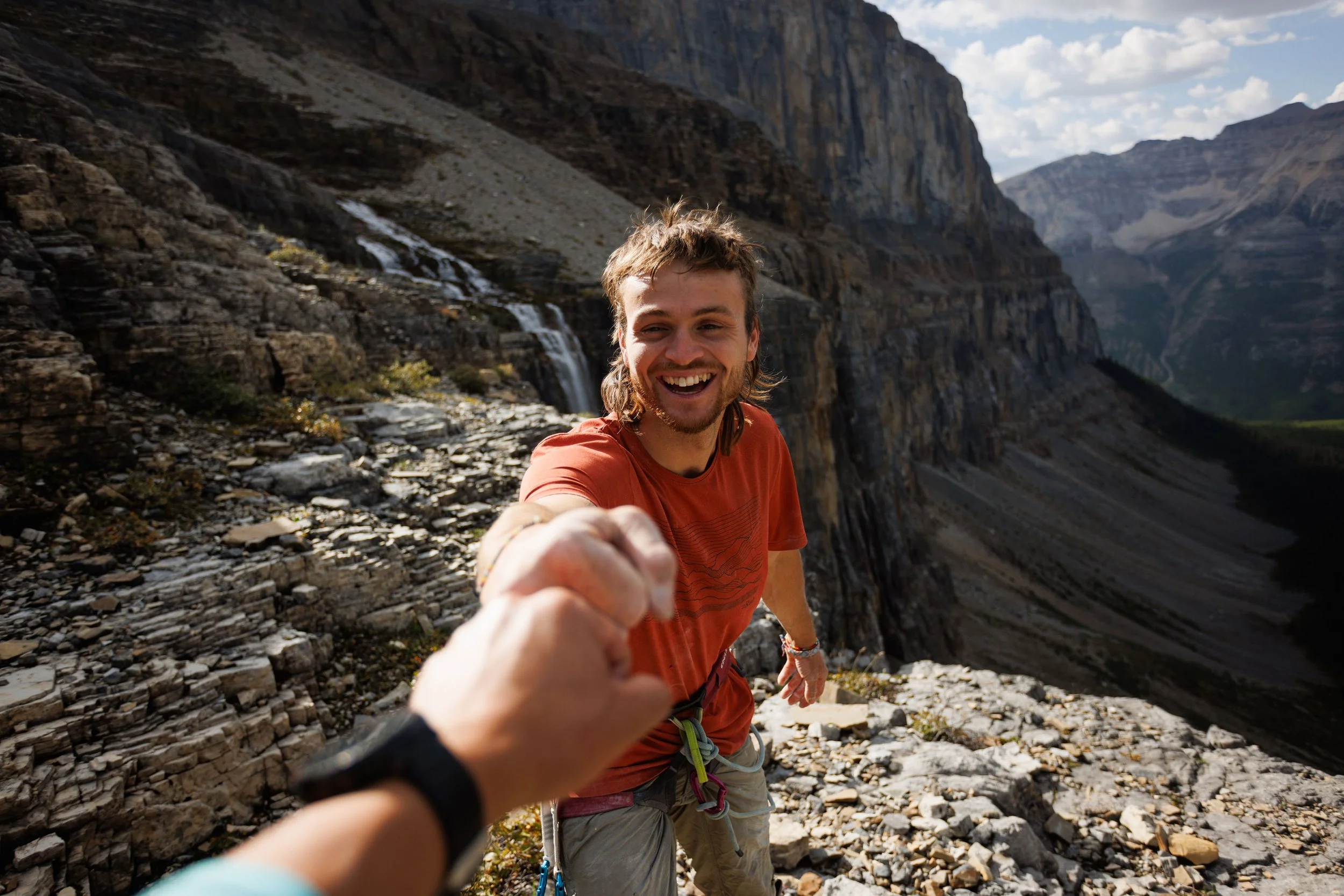
Planning doesn’t just happen the night before a climb, it happens weeks, and even sometimes months before climbs are attempted. Typically, more planning increases the likelihood of a successful ascent. For example, I started planning two months in advance for one of my proudest ascents–Bluebell Direct, a 600m 5.13d on Mount Index.
My planning for Bluebell was meticulous: I studied the topo to understand the spread of the grades on the route, I learned about the approach, the elevation of the climb, and what the climbing might be like. I wanted to know if it was crimpy, splitter, whatever! Ultimately, I wanted to know how I would feel on the route.
After I had done my studying in May, I had the plan to go to Index for July. That gave me 2 months of preparation, which meant it was time to plan out my next two months leading up to Bluebell. I understood that the climb was 600 meters tall, the pitches were long and “sporty” (continuous and not too bouldery), and there were a lot of 5.12+ pitches, a crux pitch around 5.13+, and a 5.13a pitch high up on the route.
After understanding the topo and creating the timeline with my partner (4 climbing days with one rest day between), I knew I needed to onsight all of the 5.12s, send the 5.13s quickly, and most of all, I needed to sustain a high-quality output throughout the 5 days.
I began my training with a volume-based trip to Skaha Bluffs, a great Canadian crag with long, sustained, crimpy routes and 40-50 minute approaches. Next, I wanted to re-expose myself to multi-pitch routes with a short trip to the Canadian Rockies to check out The Shining (a big 5.13+ alpine route, with a huge approach and incredible climbing). After the Shining, I planned a rest period around seven days of either full rest or light climbing combined with training at a low volume. This would allow me to fully “reset” and lock-in my gained endurance from the month of training, ultimately leaving me refreshed and psyched for the last few weeks of preparation.Finally, I would finish my training block with two to three weeks of “multi-pitch simulation” climbing in Squamish, in the same volume-based-style as my Skaha trip. After those weeks in Squamish, I had set aside seven days for a tapered rest period–dropping the volume of my climbing days and prioritizing recovery.
1. Volume Based training in the Skaha Bluffs. I used this as my first step for my training phase because I knew it would target a zone that I was lacking in after the winter. My strategy was to climb as many pitches, and have larger days of exercise as possible. The intention was to raise my base-level endurance up for larger multi-pitch climbs. The bluffs were a perfect place for training as they are a similar style to what I’d be expecting on Bluebell.
2. Reintroduction into Multi-pitch Climbing. The next step was re-introducing multi-pitch climbing after the volume training block. I chose to go try the Shining because it was a big challenge that I thought I’d learn something from. It was also important to re-expose myself to the big day stimulus.
3. Seven Day Rest Period. I took a rest period after my time on the Shining as a way to re-set and reflect on the experience before following it up with the final leg of training.
4. Volume Training Squamish. This was the final phase before my trip to Bluebell: a volume block in Squamish. I followed the same guide lines as what I did before in Skaha, but with more board climbing to increase the intensity of my training because my body had adapted.
Once I had mapped out the weeks leading up to the climb the planning was complete and all that was left was the hard work.
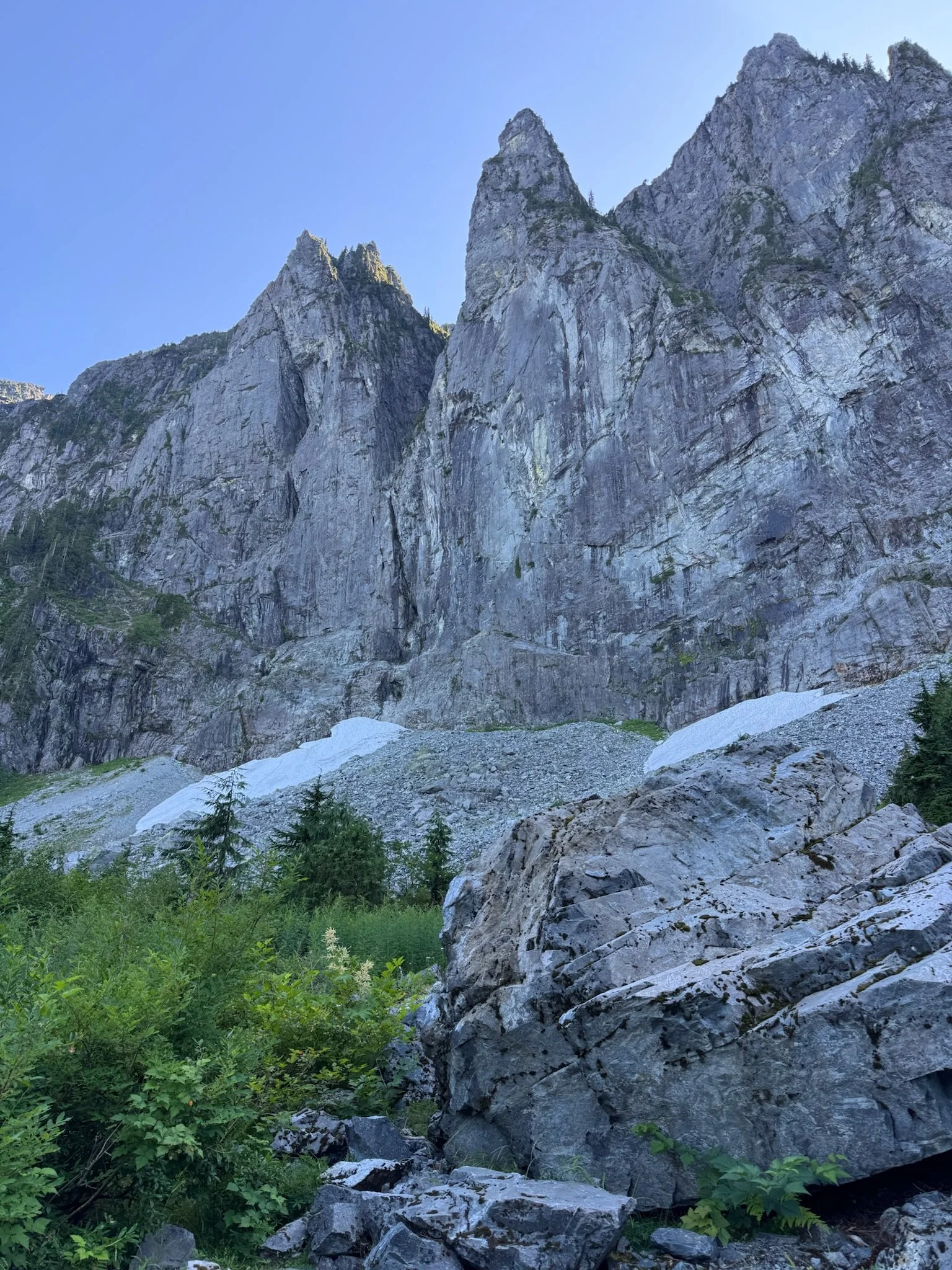
It’s important to note that the planning I took on for Bluebell was specific and practical. However, that kind of direct training, although it worked for my goal, was specific to Bluebell and wouldn’t be as applicable to sending Freerider on El Cap (for example). The planning phase is dynamic as each multi-pitch climb demands its own nuances and specificities. Thankfully, having a dialed plan can still follow the same generalizations from that of my planning for Bluebell:
The main goal is to create a plan that simulates the goal at a lower but increasing intensity, starting just above baseline and moving into the 85% threshold of the goal. All the while keeping all of the little details in mind, such as; getting tired from approaching with a heavy bag, managing energy levels on the day, and anything else uniquely specific to your goal.
The Hard Work (Training)
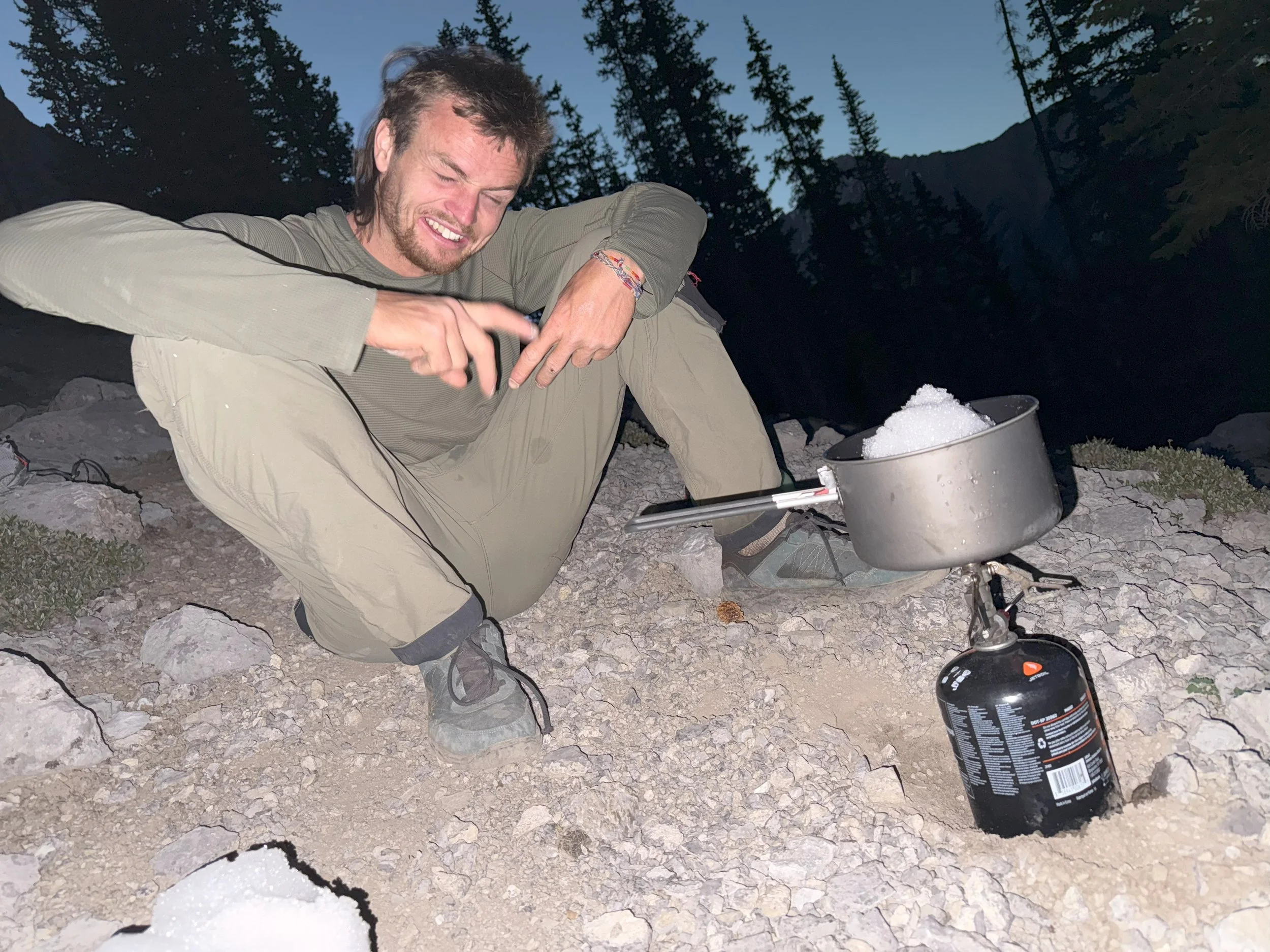
“...maxing myself out, but staying mindful about prioritizing my recovery.”
Your plan is like a road trip: you need to know where you are going, but you can expect detours.
Training seems like a simple concept: have a goal, make a plan, follow through. The reality is a lot different–although that concept can be technically true, quality training demands lots of nuance and adjustments. Each training day will feel different than the ones before–it’s often circumstantial, depending on energy levels, recovery, and psych. I learned a lot while training for Bluebell and the large scale planning I outlined in the previous chapter took on a different look when it came time to actually train.
After a month of volume-based climbing in Skaha Bluffs, I was feeling good. I was consistently on-sighting 5.12s, sending 5.13+s within a few goes, and wasn’t feeling tired after the daily approaches. I was feeling good about my training and I could feel myself getting more and more fit. Next up: testing myself in the Canadian Rockies on The Shining.
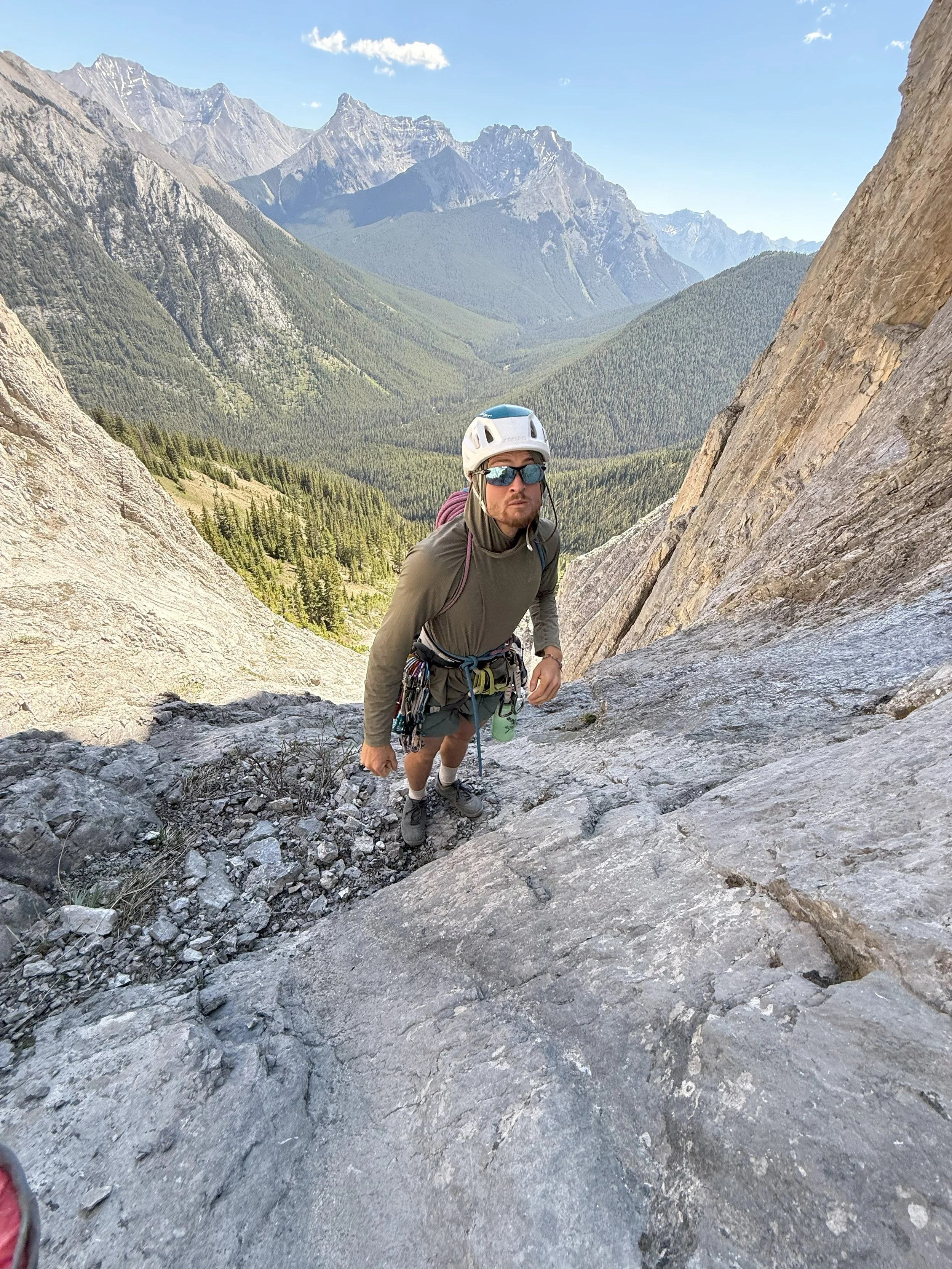
The time had come and I was in the Rockies, hiking into the Shining. It wasn’t long into the day that I realized I wasn’t ready for the approach to Mount Louie: a 3 hour hike to the base and another 500 meter chossy scramble up an apron to the start of the technical climbing. The low angle approach slab was spitting rocks down on us as the entire thing climbed up a funnel shaped col. I felt tired when we arrived at the technical climbing, and I gave it my all to onsight the first two pitches, but by the time we reached the crux pitch I was physically smoked and my fingertips were weeping. I couldn’t get it done and failed my goal of trying to send this route.
As the days passed I reflected on my failure, knowing that within my failed attempt I would be able to seek knowledge for how to succeed in the future. As I thought about it, I realized that the technical rock climbing wasn’t the issue and what caused the most fatigue was the approach to the actual climbing.
It took roughly 6 hours to reach the start of the hard climbing and that really tired me out! I was left unable to perform on the route, a failure I really didn’t want to repeat on Bluebell. I was grateful for my experience up on Mount Louie–I had learned so much for what it meant to try hard in the mountains, and how much a big approach could dash my chances at sending a route.
After my bout on the Shining and my rest period, I had 4 weeks before heading to Washington. I then knew that I needed to adjust my training to account for approaching, although it wasn’t in my original plan and I added a segment to my routine: more hiking and walking with a heavy bag. My new training plan leading up to my trip to Bluebell looked like waking up early to go climb at crags where I could send as many 5.12s and 5.13s as possible, then going for a hike with a heavy bag, followed by ending my day training at the climbing gym.
I was maxing myself out, but staying mindful about prioritizing my recovery. I made sure to keep track of my sleep quality, nutrient intake, and how I was feeling after rest days. With all my due diligence, my body was keeping up to the increased training volume.
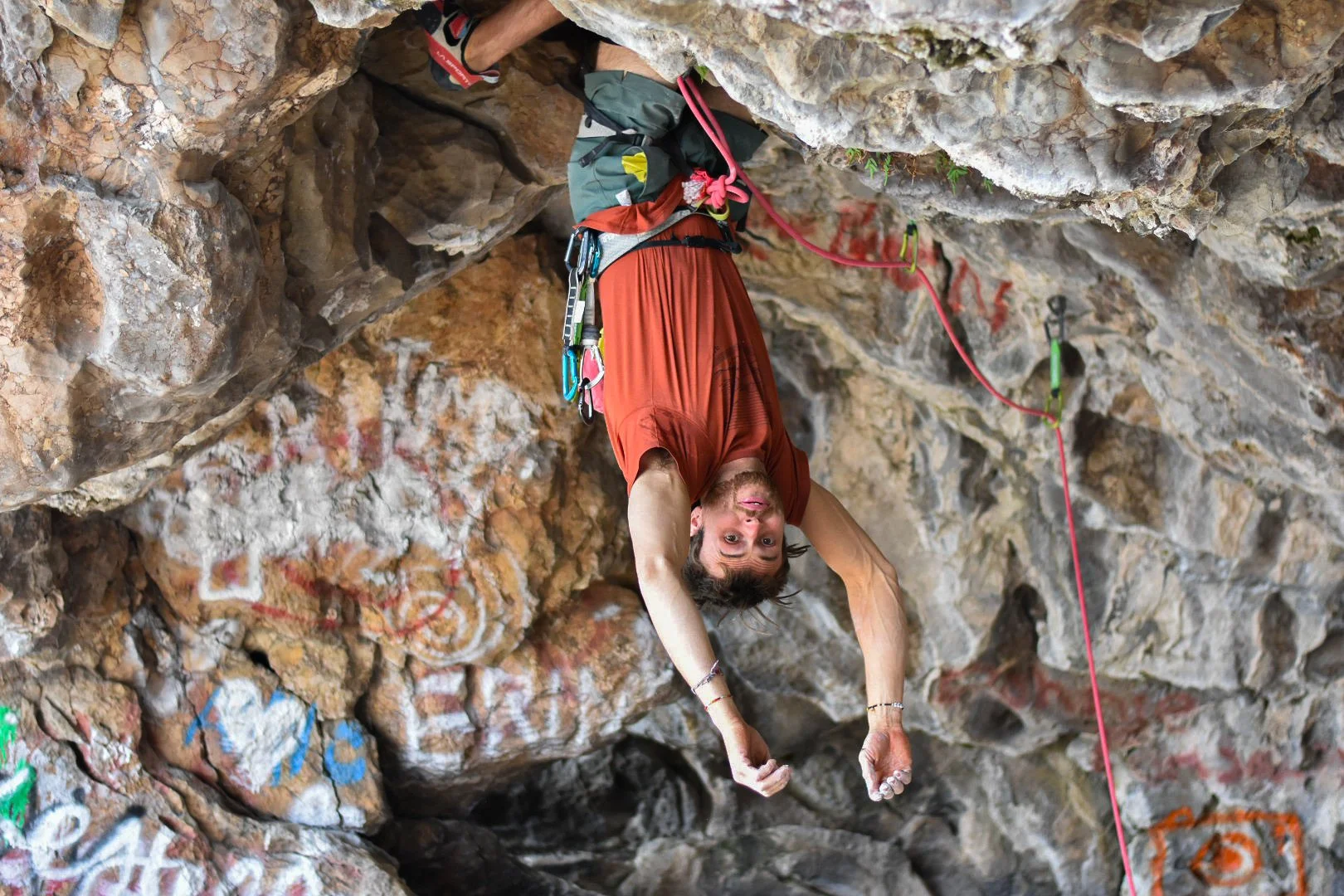
That meant constant check-ins with myself in the weight room and at the cliff. It was not “pushing through” moments I felt fatigued, but pushing through moments where I did feel tired between sets. It was an important distinction finding the balance between fatigue and tiredness. My rule of thumb was that if I was warming up for the day, set, or drill and I felt overwhelming sensation to “just not”, or if my body wasn’t able to hit normal warm up metrics (for example: my typical 7:3 repeater warm-up), or if during my sets I could feel my quality / form dropping significantly I would classify that as fatigued. If I found myself fatigued I would listen and end the session, workout, or specific exercise or adjust it significantly. Whereas experiencing tiredness would be something I would push through. Tiredness is more so battling the sensation of being over the session (bored).Typically, I find that it can be overcome with the right motivation–or example, eating sweet snacks, listening to specific music, or focusing on the goal that I’m training for. It’s interesting to differentiate between the two situations as they have very similar symptoms, but sorting out the difference has really helped me to get stronger with less injuries.
Training hard like that is where a lot of people can benefit from having a coach, someone who’s there to talk to you about your energy levels, checking in on your recovery, and someone who’s there to keep you in the proper stimulus threshold leading up to your climb. It’s a hard balance to strike, training at a similar stimulus to the goal, but not at the full intensity of the goal.
There’s a threshold where you are able to train to fatigue, but also recover from your training quickly enough for more training. It’s the job of a coach to nail that sweet spot where you arrive physically and mentally prepared, not exhausted and tired from over training.
Game Day (Execution)
“...after feeling the excitement and the thrill of being outside on a magnificent climb - and feeling physically capable - sometimes you need to dig in and make something happen…”
The day had come for my trip to Washington and I had a lot of time to think about the climb while driving to Index. I thought deeply about where I needed my head space to be going into the climb. Knowing how hard I had been training, and that I only had five days to make it happen, the pressure was on. I tried to keep my mind open to all possibilities–maybe I wouldn’t send, and I could just enjoy the days in the mountains supporting my friend Nathan on his climb. But also, I had the chance to drop in and try my hardest, and could possibly send alongside Nathan. I tried to accept both outcomes as OK, but really I wanted to do what I could to increase the chances of the latter outcome.
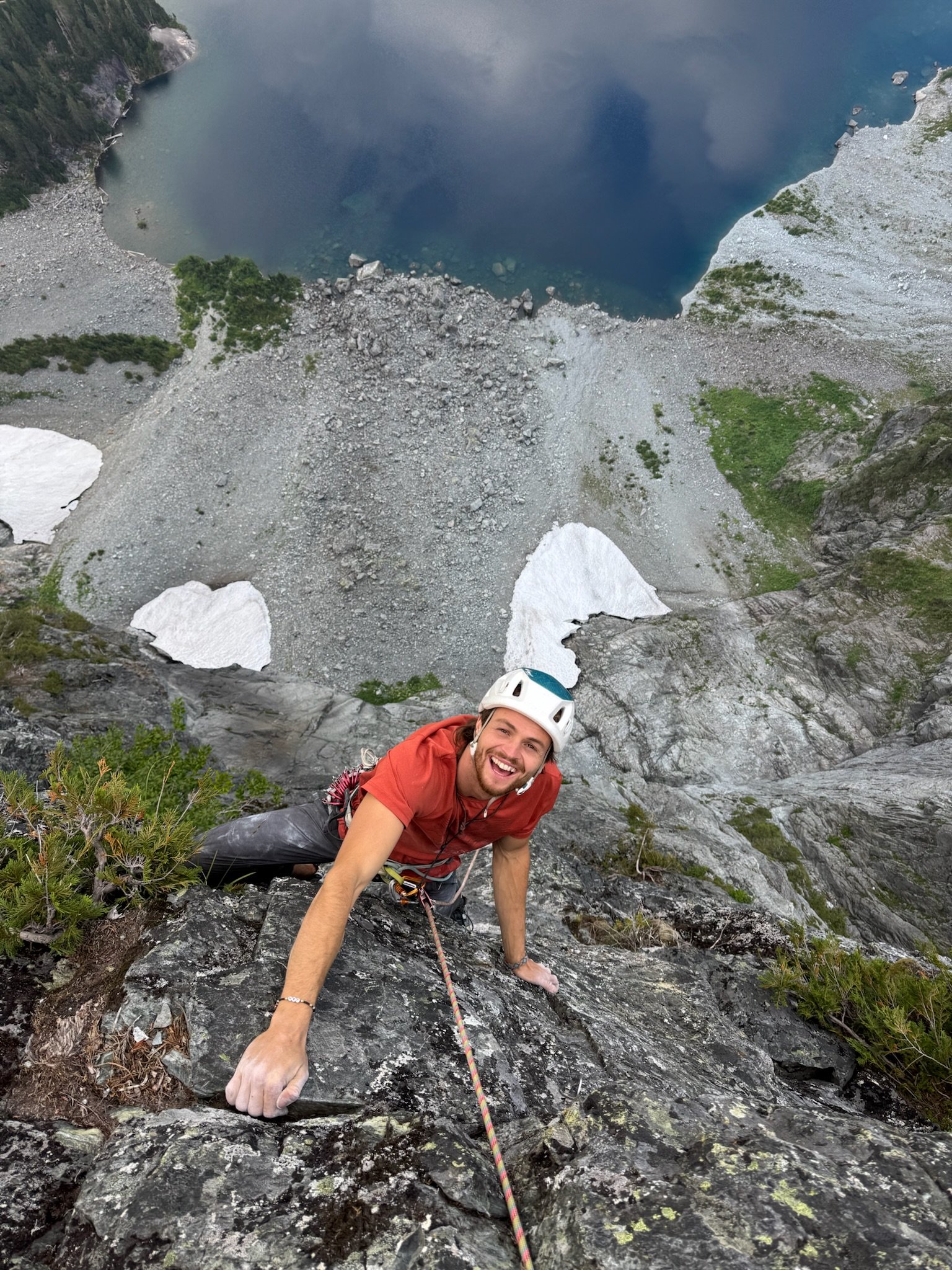
It was game day, and I had one chance to nail it. With two months of training behind me, I was feeling excited and refreshed knowing I had done everything I could and the only thing in front of me was the climb. The whole experience was getting me stoked. As I hiked in with Nathan, I could feel my enthusiasm rising, I was feeling confident and joyous. I was really amped to get up there and try hard.
I feel best when I hold the entire thing lightly, enjoying being out in the mountains, taking in the views, having fun with my partner, and embracing the adventure of the whole thing. It can take the pressure off the moment and add a lot of flow to the experience, which can be a really helpful strategy for success.
As you work through your own successes and failures on a multi-pitch send, it is important to reflect (or reflect with your coach) on what conditions, attitudes, and mindsets result in your best performance. Then you can integrate that into your days the best you can given the circumstances in front of you.
After feeling the excitement and the thrill of being outside on a magnificent climb - and feeling physically capable, sometimes you need to dig in and make something happen.
After two days of preparation on the route and a rest day, we were ready for our push.
The day was coming along, and my partner and I had made it carefully to the crux pitch of Bluebell. We had both sent the approach pitches–a handful of lengthy 5.12 and 5.11 climbs that were easily within our onsighting capabilities. Though the 5.12 pitches weren’t necessarily going to be the hardest chunk of the day, I still made sure to climb mindfully, avoiding over-gripping or grabbing sharper holds as a split finger tip in that moment would threaten my chances at sending. I made sure to climb efficiently on the way to the crux, using my fingers as little as possible and instead using a clawed fist to climb the easier sections to preserve my skin for the real-deal crux pitch.
After onsighting the bottom section of the route, we had arrived at the crux pitch: a 40-meter 5.13d. I had belayed Nathan as he dispatched all 40-meters perfectly on his first try of the day. The pressure was officially on for me to put it down, I could feel my excitement build as I lowered him down to the belay stance. I pulled the rope and got into the best zone that I could for my lead attempt.
Although I started a little shaky off the belay, I mustered some deep effort and sent through the low crux and soon found myself on a jug staring down the last 20 meters of the pitch. It was by no means over, as the last half of the climb was still 5.13- climbing that I didn’t have especially dialed. I had a word with myself on that rest–“come on, man you’ve trained so much, and you can do this climb”. I needed to drop in on the route and try hard: it was game day and I needed to perform. It was a big moment setting off of that rest. I knew I didn’t know the beta as well as I’d like to. But with a sheer willingness to push through and not give up, I sent the crux pitch in a glorious send train with Nathan.
It is a similar mindset that I use when thinking about fatigue versus tiredness. It’s best to use this sharpened mental tool in moments like this when I was on point, finding myself staring down the last crux section on the hardest pitch of Bluebell. You need to be able to “switch it on” at that moment. Make the decision that, no, you are just tired or afraid to try, and you need to overcome that feeling in that moment. Finding inspiration to really go for it, to not hold back, and to leave everything on the rock is the zone that is “make-it-or-break-it” on these big objectives.
Thankfully, there is a space that one can get into on the day to day that can develop that mentality and sharpen that headspace. I have found that the most approachable way to enter into that zone (that I will refer to as the “Try Hard Zone”) often is during bouldering and weight lifting sessions in the gym or while getting another pitch while volume based climbing at the crag. I find myself in the try hard zone most regularly when I am tired but not fatigued, and in order to complete the set, rep, or boulder I need to just bite down and get it done. It’s a feeling of overcoming tiredness and succeeding that can be applied often. I find that the try hard zone is a very similar (if not the same) headspace I needed while on Bluebell. Just bite down and get it done- while keeping it simple, try a bit harder, get to the next hold, and fight.
The day went on, Nathan and I rapped down from the crux pitch to a ledge where we’d sleep the night and continue the rest of the climb to the top, reigning in the first ascent of Bluebell Direct. It was a triumphant day as Nathan and I continued to send every pitch to the very top of the wall. My training had paid off.
What Doesn't Work and How to Change it
“I made the call and we began rappelling down…”
After Bluebell I planned to go back to The Shining in August, giving myself a month to recover and train. I knew the Shining was a similar objective as Bluebell, except it had a longer and more dangerous approach. But now that I already knew the approach and most of the climb, I felt good about heading back.
After a month of repeating the same hard training as before, except this time in the summer heat, the time had arrived for my attempt on the Shining. Quickly, I knew something was wrong. On the day of the climb, I felt tired and afraid. During the approach scrambles, my legs and eyes felt heavy, each step felt draining, and I knew that I was in trouble for the actual climbing. By the time I had arrived at the crux pitch, I was mentally fried. I felt fear in all of my movements, tired in my shoulders, fingers, and in my mind. I was finding it really difficult to have a positive mindset around the time on the climb, and it was really hard to summon the psych for pushing it on the route. We ended the day and rappelled down the route.
I realized that my experience on the Shining was the result of failure on all three chapters I just mentioned. I had planned poorly, trained poorly, and executed poorly- and as a result I failed at the climb. Mentally I was worn out from the summer months–a cumulated fatigue from hard training.
What would I change for next time?
As I reflected on my planning for the route, the timing for attempting this route was all off. I was so fit after Bluebell for the objective, but instead of spending an extra month at sea-level Squamish, I should’ve taken some time to recover–around 10 days, and then done a week of sport climbing volume to prepare and feel ready to go into the mountains again.
My plan instead was a full month in Squamish, projecting a hard route, training in the gym (as it was in August and smoking hot), and hiking the Chief with a heavy backpack.
Thinking back, my training was off. I often felt tired and unrecovered that summer, partially from training so intense, but also because it was so hot out and I was losing a lot of energy from the temperatures. Being tired like that is a typical symptom of overtraining - an important place for a coach to step in and adjust the workload. The experience served as an important lesson for me to learn firsthand the signs and symptoms of over training beyond theory and written definition. Having gone through that, I’ve solidified my concepts of overtraining and can spot the symptoms sooner
Nailing the planning portion would’ve helped me a lot with my training phase, which would compound into me feeling fit and ready for the climb, helping me to execute.
Final Thoughts
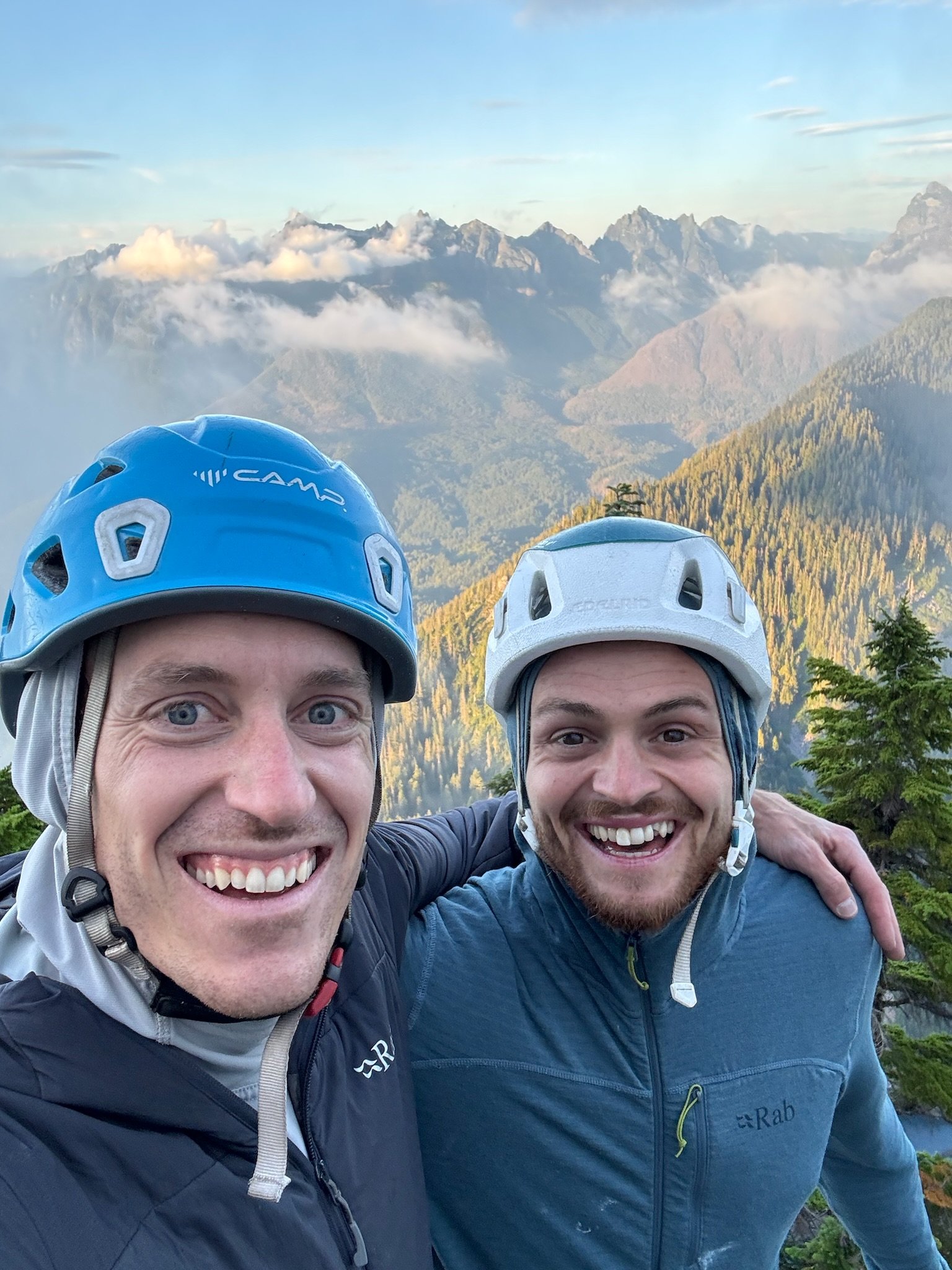
My time on Bluebell and again on the Shining has really helped me to understand how important the three chapters are for success on a climb. My lived experiences and reflection have allowed me to learn more in-depth what it means to train for big multipitch objectives. Using tools like differentiating fatigue from tiredness, and how to access the try hard zone, I have been able to develop powerful mental tools as well as physical cues to stay injury free.
With Project Direct, I want to help climbers who have big multi-pitch goals Plan, Train, and Execute their climbs in the mountains. If you are reading this and preparing for your own objective, I strongly encourage you to consider hiring me as a coach. My insights and enthusiasm for this type of goal can significantly help you accomplish your climbs in a way that can build you stronger and more capable for future objectives.
If you are training for your multipitch objective, let’s work together!
Connor was excellent at tailoring sessions for both indoor and outdoor days. His enthusiastic movement insights during video analysis helped me address inefficiencies l'd been overlooking for years.
While fitness naturally fluctuates, the technical improvements I gained have already translated into better performance on routes — and I expect those benefits to stay with me for a long time.